


Hands-on learning changes everything in a classroom. When students build, assemble, wire, launch, or construct something with their own hands, concepts click faster and stick longer. Model kits bring STEM subjects to life, whether you teach aerospace fundamentals, basic electronics, bridge building, or alternative energy systems.
However, the success of any project depends on more than just the kit itself. Distribution plays a major role in organization, engagement, time management, and overall learning outcomes. If you distribute kits poorly, you waste valuable instructional time. If you distribute them strategically, you create a smooth, productive classroom experience.
At AC Supply, we have provided wholesale educational model kits for more than 60 years. We support instructors, program coordinators, STEM leaders, and hobby educators with reliable products and fast turnaround times—usually within 24 hours. From model rocketry and aerospace to machines, pinewood derbies, electronics, and house framing projects, we understand how classroom logistics influence success. Explore our best practices for distributing model kits in class.
Plan Distribution Before the Project Day
Preparation drives smooth classroom management. Never wait until project day to figure out how you will hand out kits.
Review your class size, confirm inventory counts, and decide whether students will work individually or in teams. Label kits ahead of time if necessary. When you plan distribution in advance, you prevent confusion and delays. Use this checklist for inspiration:
- Create a simple checklist for yourself
- Confirm total number of kits
- Verify that each kit includes all required components
- Pre-sort materials for group work
- Prepare any shared tools or supplies
- Establish clear pickup or delivery instructions
This preparation reduces downtime and keeps students focused from the moment the activity begins.
Match Kits to Skill Levels
Not all students share the same experience level. Some have built rockets before. Others may struggle with basic assembly instructions.
It’s important you select kits that align with your students’ skill levels. AC Supply offers a wide range of wholesale model kits designed for varying levels of complexity. Whether you teach beginner STEM programs or advanced engineering concepts, you can choose projects that challenge students appropriately without overwhelming them.
Organize Kits by Team or Workstation
Random distribution often creates chaos. Students crowd supply tables. Pieces scatter across the room. Instructions get misplaced.
Instead, assign kits to specific teams or workstations before class begins. Place kits directly at desks or lab stations. If you run a larger classroom, create clearly labeled pickup stations that correspond to group numbers.
Organized placement saves time and sets expectations. Students sit down and begin working immediately instead of wandering around the room looking for materials.
Establish Clear Handling and Accountability Rules
Model kits often include small parts, electronic components, or precision materials. Clear expectations prevent loss and damage. Clearly explain handling rules before distribution begins. Emphasize responsibility and encourage students to check contents immediately and report missing parts right away.
Consider assigning a materials manager for each team. That student can track parts, organize components during the build, and return leftover materials properly.
Build Time Into the Lesson for Inventory Checks
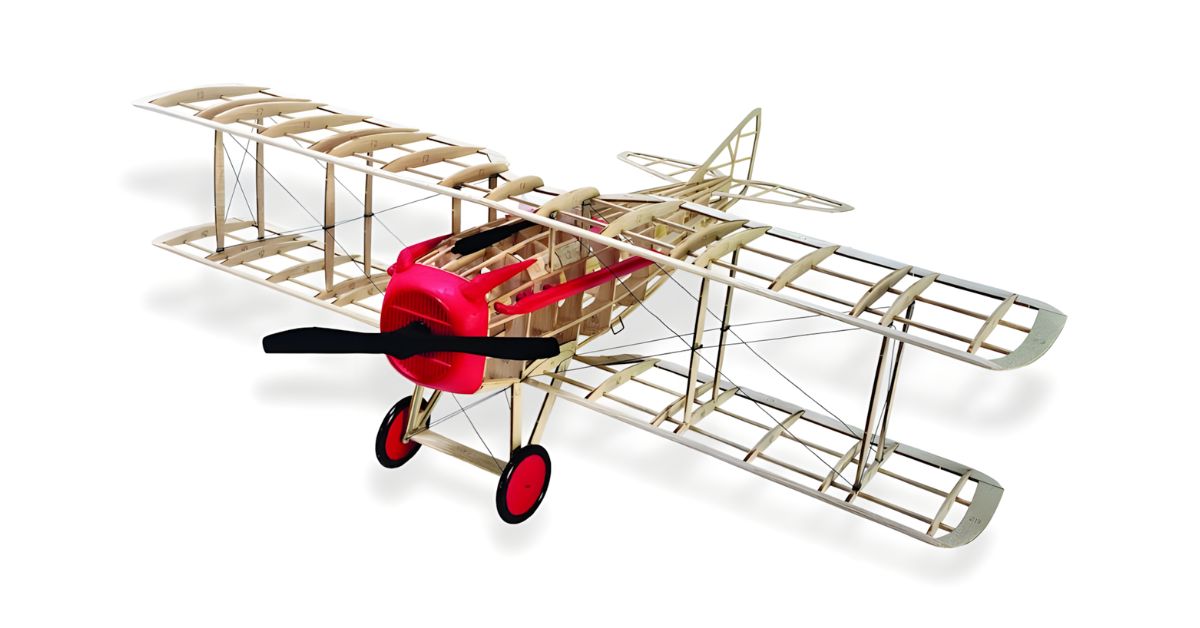
Even when you pre-sort kits, encourage students to review contents before building. This quick step prevents mid-project delays. Allow 5 to 10 minutes at the beginning of class for inventory confirmation. Students can compare parts to instruction manuals and flag discrepancies early.
When teachers skip this step, they often encounter interruptions halfway through the project. Early verification ensures smooth progression and minimizes disruptions.
Integrate Instruction With Distribution
Distribution should not feel like a separate administrative task. Use it as part of the learning process
As you hand out kits, briefly introduce the project’s real-world applications. Consider the following examples:
- Discuss aerospace engineering principles before distributing rockets.
- Explain structural load concepts before handing out bridge-building kits.
- Review electrical fundamentals before passing out electronics kits.
This integration keeps students mentally engaged from the start. They understand the purpose behind the materials rather than seeing them as just another classroom activity.
AC Supply serves as a headquarters for Model Rocketry, Aerospace, Alternative Energy, Machines, Bridge Building, and House Framing projects. When you connect the kit to real-world relevance, students appreciate the value behind the build.
Streamline Cleanup and Collection
Distribution planning should always include cleanup planning. Without a system, classrooms become disorganized quickly. Designate a clear return procedure. Provide labeled bins for unused parts. Assign cleanup roles to team members. Set a timer for final organization before dismissal.
Efficient cleanup protects materials for future use and reinforces responsibility. It also allows you to reset the classroom quickly for the next session.
Maintain Extra Inventory for Emergencies
Even with preparation, issues arise. A part may break or a student may misplace a component. Having backup materials prevents stalled progress. Keep a small reserve of extra parts or complete kits when possible.
AC Supply’s quick turnaround times help instructors restock efficiently, often within 24 hours. Reliable supply access allows you to plan confidently. When you know you can reorder quickly, you maintain momentum throughout the semester.
Partner With a Reliable Wholesale Supplier
Successful classroom distribution relies on dependable sourcing. Late shipments, incomplete kits, or inconsistent quality create unnecessary stress for educators.
AC Supply has supported educators and hobbyists for more than six decades. We specialize in wholesale model kits that bring STEM projects to life across multiple disciplines. Our knowledgeable staff understands project planning, material requirements, and classroom logistics.
When you order educational model kits from us, you invest in consistent quality and efficient service. We help you stock projects for every skill level, whether you teach elementary STEM basics or advanced engineering concepts.
Encourage Reflection After Distribution and Build
Once students complete their builds, take time to reflect on the distribution process. Ask yourself these questions:
- Did students receive materials smoothly?
- Did inventory checks prevent delays?
- Did any bottlenecks occur during pickup?
- Did team assignments work effectively?
Create a Seamless Classroom Experience
Effective distribution of model kits in classes sets the tone for the entire project. When students receive kits efficiently, understand expectations, and feel confident in the process, they focus on learning instead of logistics. Teachers maintain control of instructional time. As such, classrooms stay organized and projects run smoothly.
AC Supply is ready to support your STEM programs with high-quality wholesale model kits and fast, dependable service. We believe hands-on learning should feel exciting—not stressful.