


There is nothing quite like the feeling of peeling the tape off your very first model rocket kit. You have seen the videos of rockets soaring thousands of feet into the blue sky, trailing white smoke and excitement. Now, that potential energy is sitting right in front of you on the kitchen table.
But when you slide the tray out of the box, you might pause. Instead of a sleek, aerodynamic machine, you are looking at a pile of brown cardboard tubes, sheets of wood, plastic cones, and confusing little paper rings. It can feel a little like a puzzle without a clear picture.
Don't worry. Every expert rocketeer started exactly where you are right now. Let’s review common parts in beginner rocket kits so you can build with confidence.
The Body Tube
The most obvious piece in the box is the long, cylindrical tube. This is the fuselage, or the airframe, of your rocket. In beginner kits, this is almost always made of kraft paper (strong cardboard), and in higher-power kits, it is sometimes made of phenolic material.
Think of the body tube as the spine of the rocket. Everything else attaches to it or fits inside it. It needs to be lightweight to reach high altitude but strong enough to withstand the stresses of launch and the shock of parachute opening.
When you are handling the body tube, treat it gently. While they are sturdy once built, squeezing them too hard before the internal components are installed can crease the cardboard, which might weaken the structure. If your tube has a glassine finish (a shiny, smooth coating), it’s ready for paint right away, though a light sanding helps the primer stick better.
The Nose Cone
Sitting at the very top of your rocket is the nose cone. Its job is aerodynamic efficiency. As the rocket speeds upward, the nose cone parts the air, allowing the rest of the rocket to slip through the atmosphere with minimal drag.
This component is usually made of blow-molded plastic or balsa wood. Plastic nose cones are great because they are hollow (allowing for payload space) and durable. Balsa nose cones require a bit more work—usually some sanding and sealing to make them smooth—but they are incredibly light.
Crucially, the nose cone is rarely glued permanently to the body tube. Instead, it is attached to a shock cord. When the recovery system activates, the nose cone pops off to let the parachute out, but it stays tethered to the rocket so you don't lose it in the tall grass.
The Fins
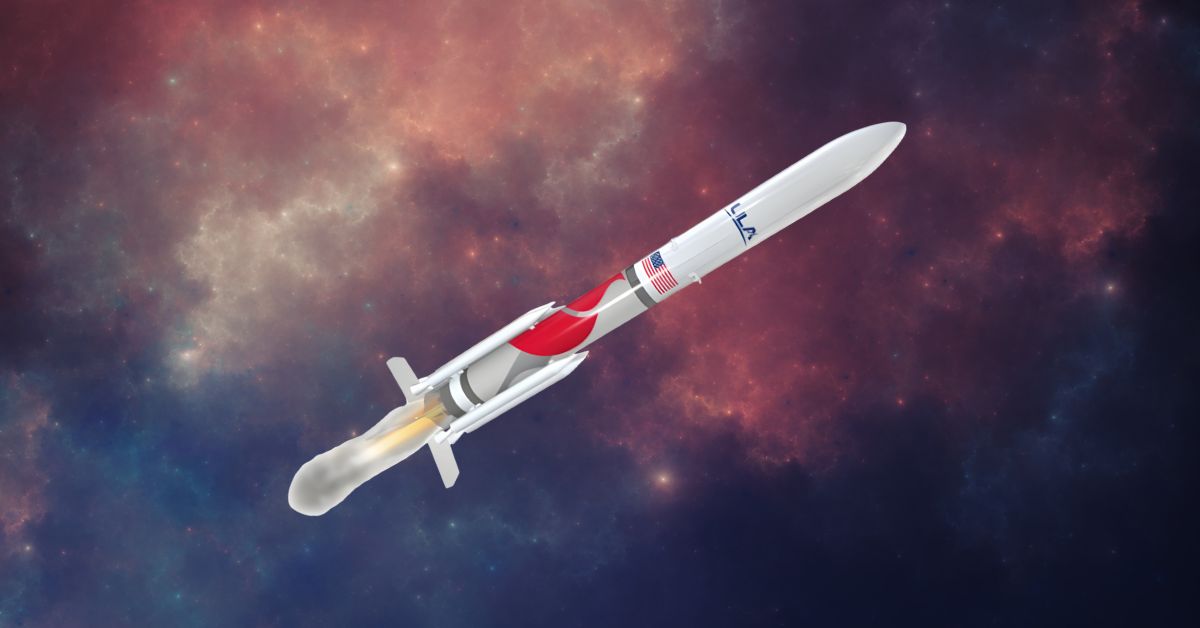
If you threw a plain stick in the air, it would tumble end-over-end. It needs stability to fly straight, and that is exactly what fins provide.
You will typically find a sheet of balsa wood in your kit with laser-cut shapes, or a set of plastic fins. These attach to the bottom of the body tube. They work by moving the rocket's Center of Pressure (CP) behind its Center of Gravity (CG). In simpler terms, the air hitting the fins acts like the feathers on an arrow, forcing the pointy end to stay forward.
For beginner builders, sanding the fins is a rite of passage. If your kit has balsa fins, taking the time to round the leading edges (the front edge) makes the rocket more aerodynamic and faster. It’s a small detail that makes a big difference in how high your project will fly.
The Engine Mount
This is where the magic happens, and it is often the most complex part of the build for new rocketeers. The engine mount usually consists of three distinct parts:
The Engine Mount Tube
This is a smaller tube that fits inside the main body tube. It holds the solid propellant engine (the motor) during flight.
Centering Rings
You will likely find two or three thick paper washers in your kit. These are centering rings. Their job is to hold the smaller engine-mount tube precisely in the center of the larger body tube. They also create a seal that forces the engine's exhaust gases upward, popping the nose cone off rather than leaking out the back.
The Engine Hook
This is a small, bent metal strip. It acts as a spring lock. You slide the engine in, and the hook snaps over the end of the engine casing to keep it from falling out during flight or from being pushed forward into the rocket during thrust.
The Recovery System
What goes up must come down, and we want it to come down safely so we can fly it again. Your kit will include a recovery system, typically a plastic parachute or streamer.
Parachute vs. Streamer
Heavier rockets use parachutes to catch the air and drift down slowly. Lighter, smaller rockets might use a streamer—a long ribbon of plastic or crepe paper.
The streamer creates drag, slowing the fall, but because it doesn't float as well as a parachute, the rocket comes down faster. This is actually a good thing on windy days, as it prevents your rocket from drifting three towns over!
The Shock Cord
The shock cord connects the nose cone and recovery device to the body tube. This is often a piece of elastic or Kevlar. It needs to be long enough to absorb the "snap" when the parachute deploys. If it's too short, the energy of the ejection charge can snap the cord or unzip the body tube (a "zipper" is a tear down the side of the tube).
Launch Lugs
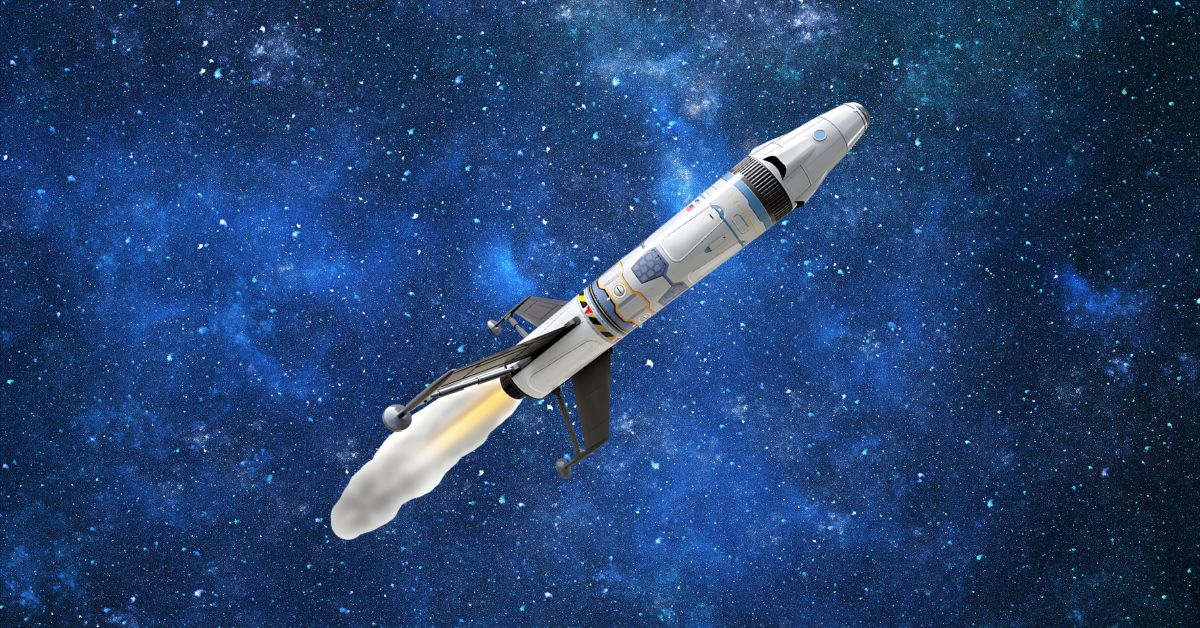
This is the smallest part in the kit, and the one most commonly forgotten by excited first-time builders. The launch lug looks like a tiny soda straw (and sometimes it is exactly that).
Rockets don't have steering wheels. When the engine first ignites, the rocket is moving too slowly for the fins to stabilize it. It needs a guide rail to keep it straight until it picks up speed. The launch lug slides over the metal launch rod on your launch pad. It keeps the rocket pointed straight up during those critical first few feet of flight.
Make sure you glue this on straight! If it's crooked, the rocket might bind on the rod and fail to launch.
Getting Ready for Liftoff
Now that you know the common parts in beginner rocket fits, the mystery of each part begins to fade, doesn’t it? A rocket is just a tube for structure, fins for stability, a mount for power, and a parachute for a safe return.
AC Supply has high-quality model rocket kits for beginners that can astound and engage everyone. These easy-to-use kits are great choices for elementary-age students, allowing them to engage with these scientific principles while still enjoying the fun of a rocket. Browse our catalog to find the best kit for your child!
The best way to learn is to get your hands messy with some wood glue. Lay out your parts, read the instructions twice, and take your time.