


You watch the countdown reach zero, press the launch button, and suddenly, your model rocket streaks into the sky with a whoosh of smoke and flame. But as it disappears into the blue sky above, one question burns in your mind: just how high did it go?
Whether you’re planning your next classroom demonstration, organizing a summer camp activity, or simply satisfying your own curiosity, understanding model rocket altitude capabilities helps you choose the right rocket for your needs. In this guide, we’ll explain exactly how high a model rocket can go after a launch and what factors determine that height.
Factors That Determine Model Rocket Altitude
Several key elements determine your rocket’s maximum altitude. By understanding these factors, you can accurately predict performance and select the perfect rocket for your specific goals.
Rocket Weight and Design
Your rocket’s weight greatly impacts its altitude potential. Lighter rockets require less energy to overcome gravity, so they can climb higher with the same amount of thrust. The rocket’s design also matters; sleek, aerodynamic shapes cut through air resistance more efficiently than bulky or oddly shaped models.
Though necessary for a safe return, recovery systems add weight. For instance, parachutes may slightly reduce the rocket’s maximum altitude. Balancing safety features with performance creates the optimal flying experience.
Engine Power and Classification
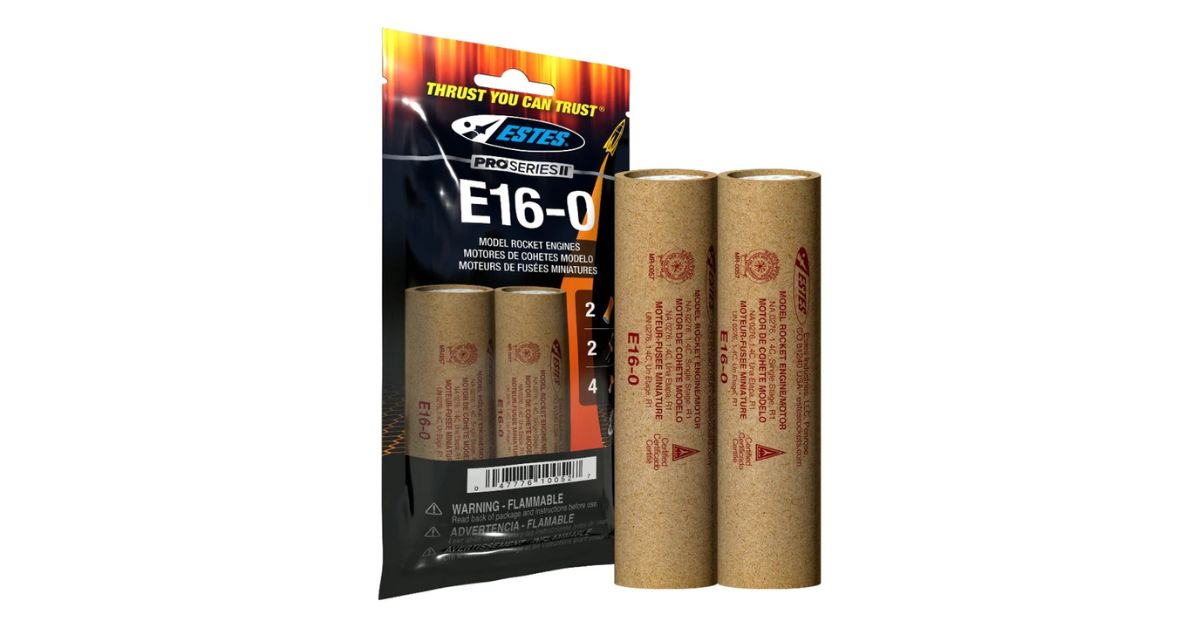
Model rocket engines have letter classifications that indicate their total impulse, or the amount of energy they produce. Class A engines provide the least power, while Class O engines deliver tremendous thrust. Essentially, each step up the alphabet doubles the engine’s power output.
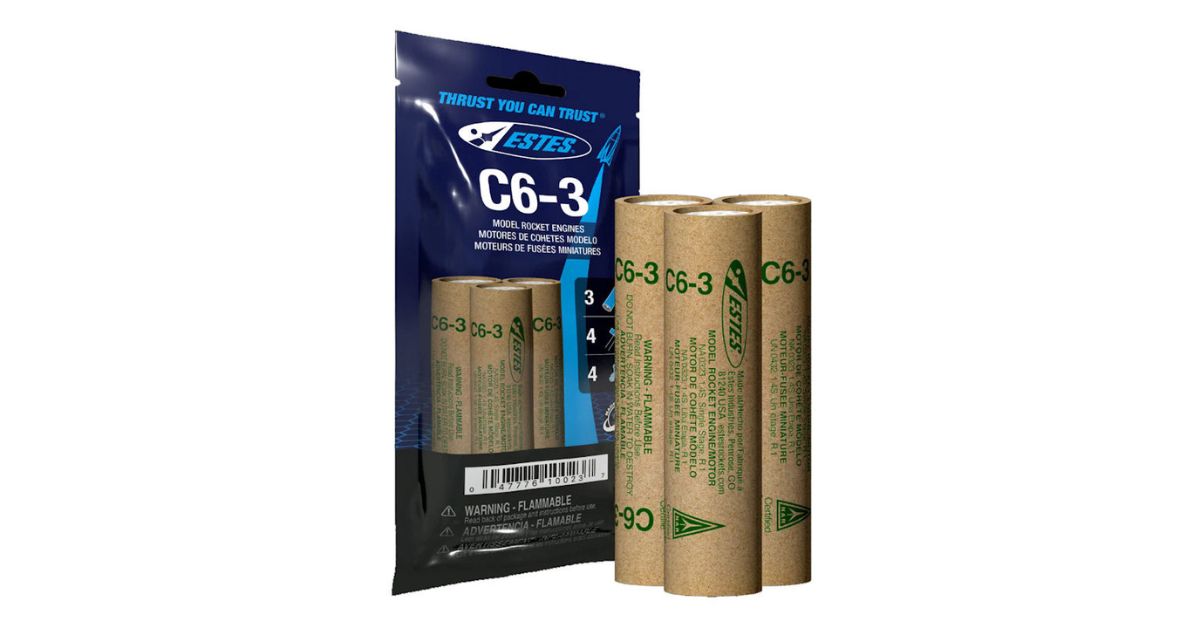
Your engine choice dramatically affects altitude. A lightweight rocket with a powerful engine will reach much greater heights than the same rocket with a smaller motor. However, you must match the engine size to the rocket design to avoid dangerous and potentially damaging power conditions. Fortunately, AC Supply offers Estes rocket engines in a variety of classes so you can make the best choice for your needs.
Weather Conditions
Wind speed and direction heavily influence your rocket’s flight path and maximum altitude. Strong winds can push your rocket off course, reducing vertical climb efficiency. On the other hand, calm conditions allow rockets to fly straighter and higher.
Air density affects performance too. Cold, dense air provides more resistance but also more efficient fin control. Hot, thin air reduces drag but makes steering less responsive.
Altitude Ranges by Rocket Type
Various model rocket categories achieve distinctly different altitude ranges. You must understand these categories to select a rocket that matches your space limitations and safety requirements.
Beginner and Educational Models
Typically, entry-level rockets reach altitudes between 200 and 800 feet. Instead of maximum performance, these models prioritize safety, ease of construction, and reliable recovery. Many model rockets in this category feature simple tube construction with plastic nose cones and fins.
These rockets work perfectly for classroom demonstrations, backyard launches, and first-time builds. Their modest altitudes keep them visible throughout flight while requiring smaller recovery areas.
Intermediate Performance Rockets
With the proper engine, mid-level rockets can achieve altitudes ranging from 800 to 2,000 feet. These models incorporate more advanced design features, like through-the-wall fin mounting, fiberglass components, and dual-deploy recovery systems.
You’ll find that rockets in this category offer excellent learning opportunities for understanding more complex rocketry concepts. Although they require larger launch areas, mid-level rockets have an exciting flight performance that’s sure to capture attention and imagination.
High-Power and Competition Models
Advanced rockets can exceed 10,000 feet under ideal conditions with appropriate engines and certifications. These sophisticated models use carbon fiber construction, electronic altimeters, and GPS tracking systems for recovery.
High-power rocketry requires specialized certifications, designated launch areas, and FAA notifications for flights above a certain altitude. These rockets are the pinnacle of amateur rocketry achievement.
Safety Considerations and Legal Limits
Responsible model rocketry requires understanding safety requirements and legal restrictions that govern launch activities.
Launch Site Requirements
Your launch area must provide adequate space for safe operations. Low-power rockets need minimum recovery areas of several hundred feet in all directions, while high-power models require much larger spaces.
Consider obstacles like trees, buildings, and power lines that could interfere with launch or recovery. For ideal launch conditions, opt for open fields, parks (with required permission), or designated model rocket ranges instead.
Altitude Restrictions
The FAA regulates airspace use, even for model rocket flights. Rockets flying above 400 feet require advance notification in most areas. Some locations have additional restrictions due to proximity to airports or special-use airspace.
Check local regulations before launching to avoid issues on launch day. Many clubs and organizations maintain relationships with aviation authorities to streamline the notification process for their members.
Recovery and Tracking
Higher-flying rockets often travel beyond visual range, making recovery challenging without proper preparation. Consider using electronic tracking devices, bright recovery systems, and careful flight planning to prevent lost rockets.
Measuring and Predicting Altitude
Accurately determining your rocket’s altitude adds scientific value to every launch and helps you understand performance factors.
Tracking Methods
Visual tracking using calibrated angles provides reasonably accurate altitude measurements for lower-flying rockets. With multiple observers, you can improve accuracy by triangulating the rocket’s position at apogee.
Also, electronic altimeters offer precise altitude data while adding minimal weight to your rocket. These devices record maximum altitude and flight time and often provide additional telemetry data for analysis.
Simulation Software
Computer programs help predict altitude before launch by modeling rocket performance with specific engines and configurations. Most popular simulation software accounts for drag, weight, and atmospheric conditions.
These tools are invaluable for educational settings, allowing you to explore what-if scenarios and optimize rocket designs before construction. By using virtual models, you can learn physics concepts through hands-on experimentation.
Ready for Launch
Model rockets offer endless opportunities for learning, excitement, and achievement. From modest classroom demonstrations to record-setting flights, each launch teaches valuable lessons about physics, engineering, and problem-solving.
Now that you understand how high a model rocket can go after launch, you have the information you need to choose the appropriate rockets for your space, audience, and objectives. Prepare for blastoff by visiting AC Supply! From model rocket engines to model kits for beginners, we have everything you need to launch in style.