


A rocket project is more than just a fun classroom activity—it's a hands-on way to teach physics, engineering, and teamwork. Watching students' faces light up as their creations soar into the sky is an unforgettable experience. But let's be honest, getting the budget for these amazing projects can feel like a mission to Mars.
Don't let funding challenges ground your plans. With a little creativity and strategic planning, you can get funding for school rocket projects that excite your students. We'll provide actionable steps to help you gather the support you need to make your rocket project a soaring success.
Start With Your School's Budget
Your first stop should always be within your own school or district. Administrators usually look for innovative projects that boost student engagement and align with STEM (science, technology, engineering, and math) curriculum goals. A well-prepared proposal can make a big difference in your project’s overall success!
Craft a Winning Proposal
To get your principal or department head on board, you need to present a clear, compelling case. Your proposal should be more than just a request for money; it should be a vision for an impactful learning experience.
Here’s what to include:
- Learning objectives: Clearly connect the rocket project to specific curriculum standards. Explain how it will teach concepts in physics (like Newton's laws of motion), mathematics (calculating altitude), and engineering design. This shows your project has clear educational value.
- Detailed budget: Break down all anticipated costs. This includes rocket kits, engines, launch pads, tools, and any safety equipment. Research prices and provide specific numbers. A detailed budget shows you've done your homework and are serious about the project's success.
- Student engagement: Describe how the project will actively involve students. Highlight the hands-on aspects, the teamwork required, and the excitement it will generate. Principals love to see activities that get students genuinely excited about learning.
- Safety plan: Safety is paramount. Outline the safety protocols you will follow, referencing guidelines from organizations like the National Association of Rocketry (NAR). This reassures administrators that you and your students will conduct the project responsibly.
By presenting a thorough and professional proposal, you demonstrate that this isn't just a fun "extra" but a well-thought-out educational initiative.
Look for Grants and Educational Funding
If school funds are tight, grants are your next best option. Many organizations dedicate funding to support STEM education for classroom projects like yours.
Where To Find STEM Grants
Finding the right grant can take time, but the payoff is worth it. Here are some excellent places to start your search:
- National Science Teaching Association (NSTA): The NSTA offers several awards and grants for science teachers at all grade levels. Check their website regularly for opportunities that align with your rocket project.
- Local businesses and corporations: Many companies, especially those in the tech and engineering sectors, have corporate social responsibility (CSR) programs that support local education. Reach out to the community relations department of businesses in your area to see if they offer grants or sponsorships.
- Aerospace companies: Companies like NASA, SpaceX, and Boeing are passionate about inspiring the next generation of engineers and scientists. They often have educational outreach programs that provide grants, materials, or even mentorship opportunities.
When applying for grants, be sure to tailor your application to the organization's mission. Highlight how your rocket project aligns with their goals, whether it's promoting STEM careers, fostering innovation, or supporting local schools.
Engage Your Community and Parents
Your local community is a powerhouse of potential support. Parents, local businesses, and community organizations can contribute to educational projects, especially when they can see the direct impact on students.
Host a Fundraiser
A classic fundraiser can be an effective and fun way to raise money. Get your students involved to build excitement and a sense of ownership.
Here are a few fundraising ideas:
- "Sponsor-a-rocket" program: Create a program where parents or community members can "sponsor" a student's rocket for a small donation. In return, you can put their name on the rocket or send them a photo of the launch. This creates a personal connection to the project.
- Community launch day: Plan a big launch event and invite the entire community. You can sell refreshments, run a raffle, or ask for donations at the gate. This not only raises funds but also showcases the amazing work your students are doing.
Partner With Local Businesses
Local businesses can be incredible allies. They can contribute in various ways, not just with money.
- Material donations: A local hardware store might be willing to donate supplies like wood, glue, or paint. An office supply store could provide poster boards for design presentations.
- In-kind sponsorships: A local print shop could print promotional flyers for your fundraiser for free. A nearby pizzeria might offer a discount for a "pizza night" fundraiser, with a portion of the proceeds going to your project.
When you approach local businesses, emphasize the community benefit. Explain how their support will directly help local students gain valuable skills and have a memorable learning experience.
Get Creative With Low-Cost Solutions
Even with successful fundraising, it's always smart to be resourceful and find ways to stretch your budget.
- Use recycled materials: Challenge your students to incorporate recycled materials into their rocket designs. Plastic bottles, cardboard tubes, and other household items can be used for fins, nose cones, and body tubes, reducing the need for expensive kits.
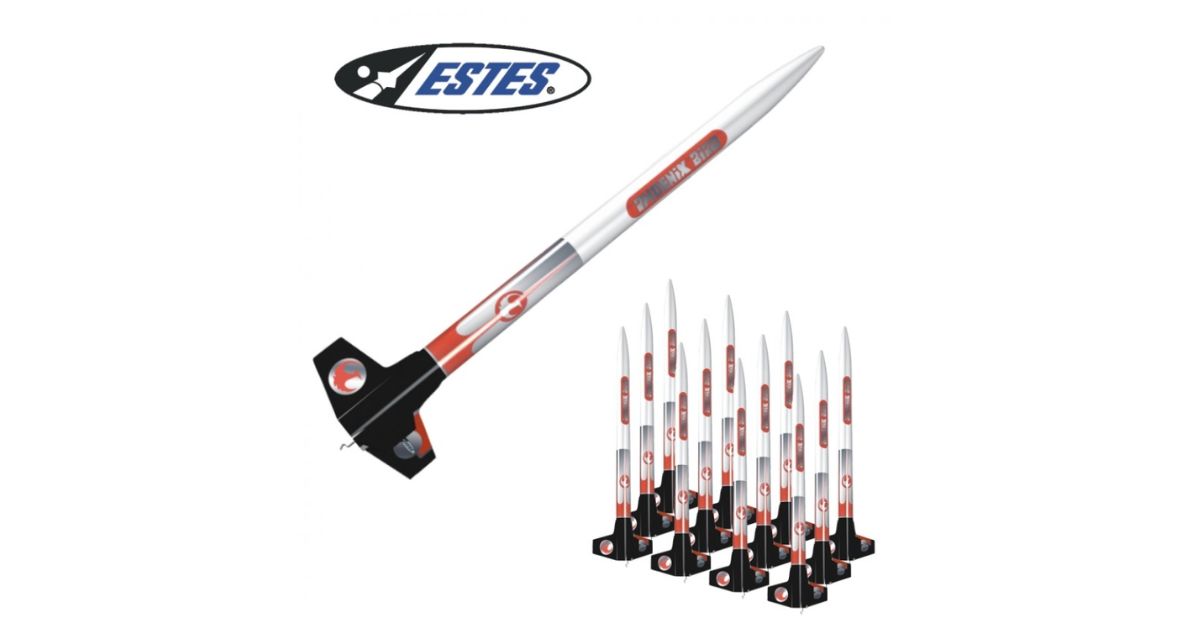
- Buy bulk rocket models: Consider purchasing bulk model rockets to reduce costs and ensure every student has access to materials for hands-on learning. Many suppliers offer significant discounts for bulk orders, making it easier to stretch tight budgets while maintaining quality.
- Start small: You don't need the most advanced rocket kits for your first project. Begin with simpler, more affordable models, such as water rockets or air-powered rockets. This allows students to learn the basic principles of aerodynamics and propulsion before moving on to more complex projects.
Launch Your Funding Campaign
Securing funding for a school rocket project requires a multi-faceted approach. With these various fundraising methods, you can gather the support you need and create an amazing STEM lesson for your students.
The effort you put into fundraising will pay off tenfold when you see your students working together, solving problems, and experiencing the thrill of a successful launch. If you’re looking to buy model rockets in bulk, you can find everything you need at AC Supply.
These kits are a great way to engage with your students and save your school money with bulk purchases. With a variety of skill levels available, we have a model rocket for any student. Now, go out there and make it happen—your students' next great adventure awaits!