


There is nothing quite like the feeling of counting down from five, pressing the launch button, and watching your model rocket soar into the blue sky. It’s a moment of pure excitement, science, and joy. But sometimes, you press the button, and…nothing happens. Or perhaps the engine ignites, but the rocket doesn't leave the pad quite right.
Don't worry! Even seasoned rocketeers face technical hiccups now and then. Model rocketry is a hands-on hobby that involves a bit of science and engineering, which means troubleshooting is just part of the fun. Whether you are a first-time flyer or getting back into the hobby after years away, we can help you troubleshoot Estes launch kit issues and get your Estes rocket off the ground and soaring high.
Let’s dive into the most common challenges and how to fix them so you can get back to the launch pad with confidence.
The Most Common Issue: Continuity Problems
By far, the most frequent reason a rocket fails to launch is a lack of electrical continuity. The launch controller has a safety key and a light bulb (or LED) that indicates if the circuit is complete. If that light doesn't come on when you insert the key, the launch controller cannot send the electrical current needed to ignite the engine.
Check Your Batteries
It sounds simple, but it is often the culprit. Estes launch controllers require fresh, high-quality alkaline batteries. If your batteries are old or low on power, they might have enough juice to light the continuity bulb but not enough amperage to heat the igniter wire red-hot.
If you are using an Electron Beam Launch Controller, make sure you are using four new AA alkaline batteries. For the Porta-Pad II system, check that the 9V battery is fresh. Ensure you install the batteries in the correct direction. It’s easy to flip one by accident!
Inspect the Micro-Clips
The micro-clips are the small metal alligator clips that attach to the igniter. Over time, these clips can get dirty from the exhaust residue of rocket engines. This residue acts as an insulator, preventing the flow of electricity.
There is a simple fix for this. Take a piece of sandpaper or an emery board and gently clean the inside jaws of the micro-clips until the metal is shiny again. This ensures a strong electrical connection.
The Igniter Connection
The igniter is the thin wire with a pyrogen tip, inserted into the engine nozzle. For the engine to fire, you have to attach the micro-clips correctly.
- Separation: Make sure the clips are not touching each other. If they touch, the electricity will short-circuit through the clips rather than travel through the igniter wire.
- Location: Clip onto the metal leads of the igniter as close to the engine nozzle as possible without touching the nozzle itself or the clips touching each other.
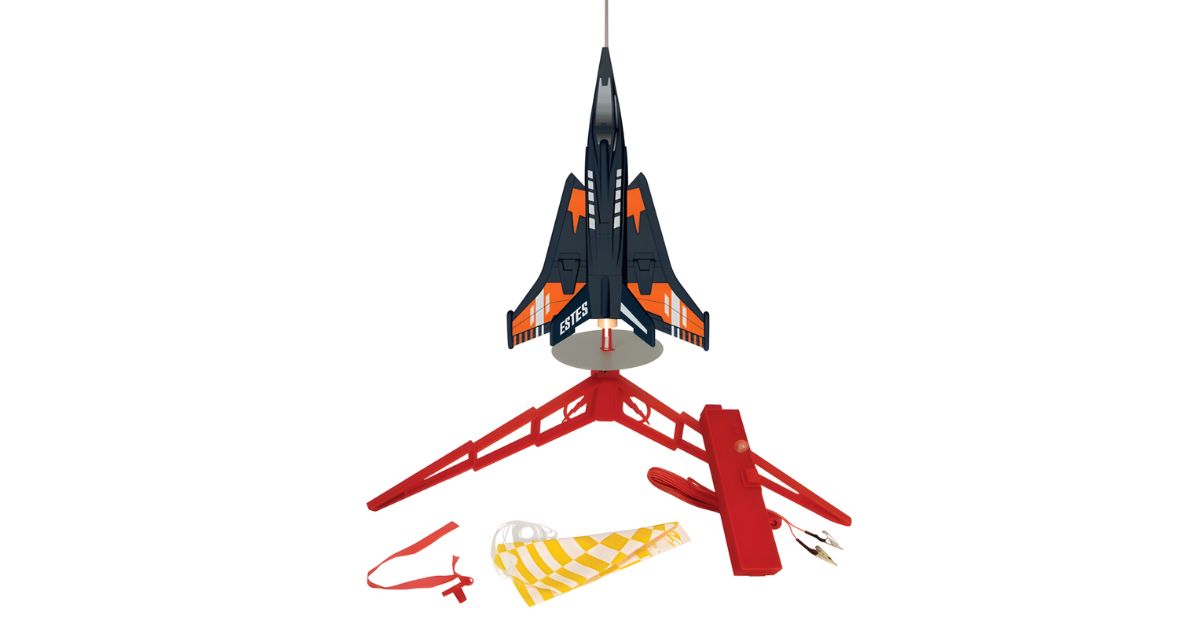
Engine Ignition Failures (Misfires)
You have continuity, the light is on, you press the button, and the engine smokes but doesn't launch—or nothing happens at all. This is usually an issue with how the igniter is seated within the engine.
The Igniter Plug Is Key
Estes engines come with small, color-coded plugs (usually pink, green, orange, or blue) that hold the igniter in place. If the igniter isn't touching the black propellant at the top of the nozzle, the engine won't light.
How to install the igniter correctly:
- Insert the igniter into the engine nozzle.
- Push it down until it stops. It must touch the propellant.
- While holding the igniter in place, insert the plug firmly.
- Bend the igniter leads out to the sides.
If the plug is too loose, the igniter might slip down away from the propellant. If this happens, you can use a small piece of masking tape over the nozzle (pierced by the igniter leads) to help hold it, though a properly fitted plug is best.
Broken Igniter Leads
Igniters are delicate. If you bend the wires too many times or pull on them too hard, the pyrogen tip inside the engine can break off, or the wire can snap. Handle them with care. If an igniter fails to fire, wait one minute before approaching the rocket (safety first!), then remove the old igniter and install a fresh one.
Flight Path Issues (Unstable Rocketry)
Sometimes the rocket launches, but it doesn't fly straight. It might spiral, arc over, or "skywrite." This can be dangerous and usually points to an issue with the rocket's build or the launch conditions.
Check the Fins
The fins are crucial for stability. They act like the feathers on an arrow, keeping the center of pressure behind the center of gravity.
Look down the body tube from the top. Are all fins perfectly straight? If you have a crooked one, it can cause the rocket to spin or veer off course. Then ensure all fins are securely glued. A loose fin can flutter during high-speed ascent, causing instability.
The Launch Lug
The launch lug is the small, straw-like tube on the side of the rocket that slides over the metal launch rod. It guides the rocket until it gains enough speed for the fins to take over stability.
- Obstructions: Make sure there is no glue or paint inside the lug. It should slide freely up and down the launch rod.
- Alignment: The lug should be parallel to the body tube. If it’s glued on at an angle, the rocket will leave the rod at that same angle.
Weather Conditions
Even a perfectly built rocket can fly erratically in high winds. Ideally, you should launch when there is little to no breeze.
Rockets tend to turn into the wind (an effect called weather-cocking). If it’s windy, angle your launch rod slightly away from the wind or spectators to compensate, but never more than 30 degrees from vertical.
Getting Back on the Pad
Troubleshooting Estes launch kit issues is a natural part of the learning process in rocketry. Every misfire or erratic flight teaches you something new about aerodynamics, circuitry, or construction. The key is to stay patient and enjoy the problem-solving aspect of the hobby.
Remember, the goal isn't just a perfect launch—it's learning how things work. When you finally solve that continuity issue or fix that fin alignment and watch your rocket pierce the clouds, the satisfaction is that much sweeter because you earned it.
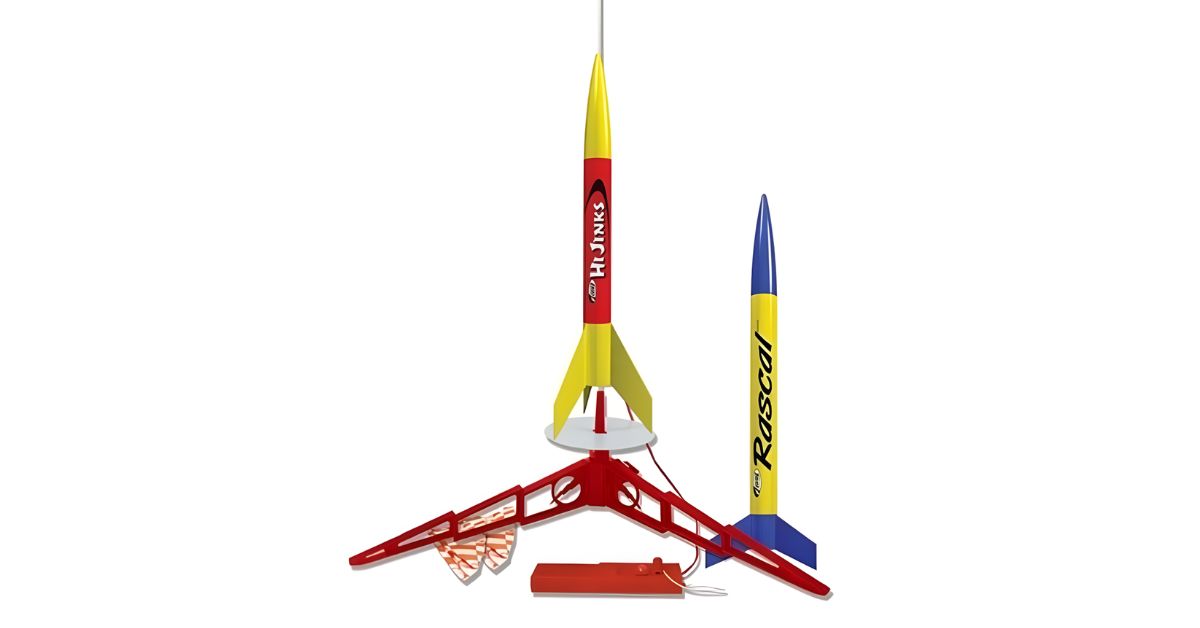
AC Supply has everything you need for a successful rocket launch. From model rocket launch sets to starter packs, you can count on a successful launch with us. With over 60 years of experience, we are proud that our educational kits have helped people to explore fun STEM projects without the hassle of gathering supplies one by one.
Browse our catalog today to find the perfect rocket launch set for you! The sky is waiting, so don’t hesitate to find just what you need for your next project.