


Model rocketry has inspired generations of students, hobbyists, and STEM educators. What began as a niche hobby rooted in curiosity about space flight has grown into a structured, safety-driven educational activity.
Schools and camps now use model rockets to teach physics, engineering, and teamwork in a hands-on format. Understanding the history and evolution of model rocketry helps educators and families choose the right tools for meaningful learning experiences.
The Origins of Modern Model Rocketry
Model rocketry traces its roots to the early space age when interest in rockets surged across the United States. During the 1950s, young experimenters often built small rockets using homemade propellants, which created serious safety risks.
Visionaries in the hobby recognized the need for standardized components and safer propulsion systems. These early innovators laid the groundwork for commercially produced kits and regulated model rocket engines.
The launch of Sputnik in 1957 fueled public fascination with space exploration. Schools encouraged science clubs and aerospace projects to develop future engineers and scientists. Model rocketry quickly became a structured activity that supported national interest in science education. Organized clubs and published plans helped young builders follow safer construction methods.
The Development of Safe Rocket Engines
Safety transformed model rocketry from a risky experiment into an accessible educational tool. Early pioneers developed pre-manufactured solid propellant engines that eliminated the need for homemade fuels.
Standardized engine sizes and thrust ratings allowed builders to match rockets with predictable performance levels. This innovation made launches safer, repeatable, and appropriate for supervised youth programs.
The Rise of Commercial Rocket Kits
As safety improved, companies began offering complete rocket kits for beginners and advanced builders. These kits included precision-cut body tubes, nose cones, fins, launch lugs, and detailed instructions.
Educators appreciated the step-by-step guidance that allowed students to build independently while learning engineering fundamentals. Standardized kits also ensured consistent flight performance across classrooms and camp groups.
Over time, manufacturers expanded product lines to accommodate different skill levels. Entry-level kits introduced simple assembly and basic aerodynamics. Intermediate designs added multi-stage systems and more complex fin structures. Advanced kits incorporated scale models of real launch vehicles and performance-driven designs for experienced hobbyists.
Model Rocketry and the Space Race
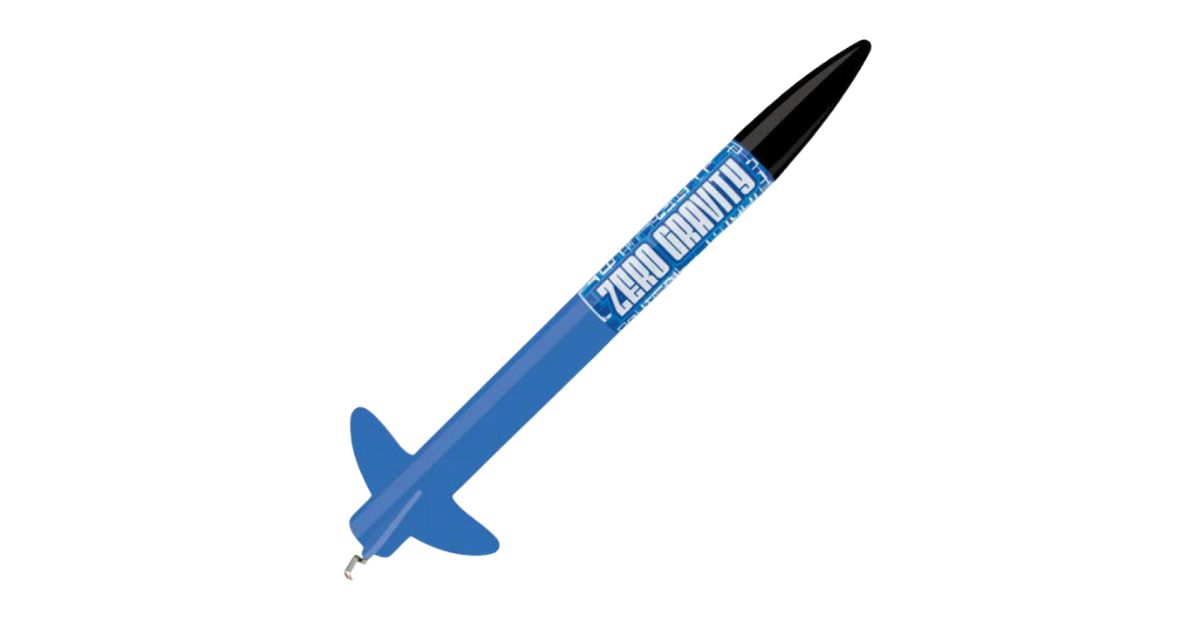
The Space Race dramatically increased interest in rocketry nationwide. As NASA launched Mercury, Gemini, and Apollo missions, young students dreamed of building and launching their own rockets. Model rocketry clubs formed in schools, community centers, and summer camps. This era cemented rocketry as both a hobby and an educational tool.
Teachers began integrating rocket projects into physics and math lessons. Students calculated altitude, thrust-to-weight ratios, and trajectory angles. Rocket launches reinforced classroom concepts with visible, measurable results. The excitement of space exploration connected abstract formulas to real-world outcomes.
The Evolution of Materials and Design
Materials technology advanced rapidly over the decades. Early rockets relied heavily on balsa wood and cardboard components. Modern designs now incorporate lightweight plastics, durable composites, and laser-cut precision parts. These upgrades improve flight stability, durability, and overall performance.
Computer-aided design tools also transformed how manufacturers develop new kits. Designers can now simulate flight paths, stress points, and recovery timing before production begins. This precision reduces trial-and-error development and enhances safety margins. Students benefit from rockets that perform reliably under predictable conditions.
Electronics entered the hobby as well. Altimeters, onboard flight computers, and tracking systems now enhance data collection. STEM programs use these tools to teach data analysis and engineering refinement. Students can compare predicted results with actual flight performance to refine future designs.
Model Rocketry in Modern STEM Education
Today, schools use model rocketry as a structured STEM curriculum component. Rocket projects encourage collaboration, problem-solving, and hands-on experimentation.
Students learn about propulsion, aerodynamics, materials science, and safety procedures in one cohesive activity. The launch day experience builds confidence and reinforces technical understanding.
Programs typically look for rockets that offer reliable flight performance with manageable assembly time. Quality kits reduce frustration and allow instructors to focus on teaching concepts rather than troubleshooting avoidable issues. Trusted options such as Estes model rocket kits remain popular for their accessibility and consistent performance.
Model rocketry supports multiple educational goals at once. Programs use rocket projects to:
- Demonstrate Newton’s Laws of Motion
- Teach measurement and data analysis
- Introduce engineering design principles
- Encourage teamwork and project management
- Inspire interest in aerospace careers
These outcomes make rocketry a powerful addition to STEM-focused environments.
Choosing the Right Rocket for Educational Programs
Understanding the history and evolution of model rocketry helps programs make informed purchasing decisions. Beginners benefit from starter kits that include launch pads and clear assembly instructions. Intermediate students often prefer rockets that allow customization and paint detailing. Advanced participants may seek multi-stage designs or payload capabilities for experiments.
When selecting kits for schools or camps, consider these factors:
- Skill level of participants
- Available build time
- Launch site size and safety requirements
- Educational objectives for the program
- Replacement parts and engine availability
A thoughtful selection process ensures a positive experience for every participant. Reliable suppliers can guide educators toward products that match their curriculum goals.
The Future of Model Rocketry
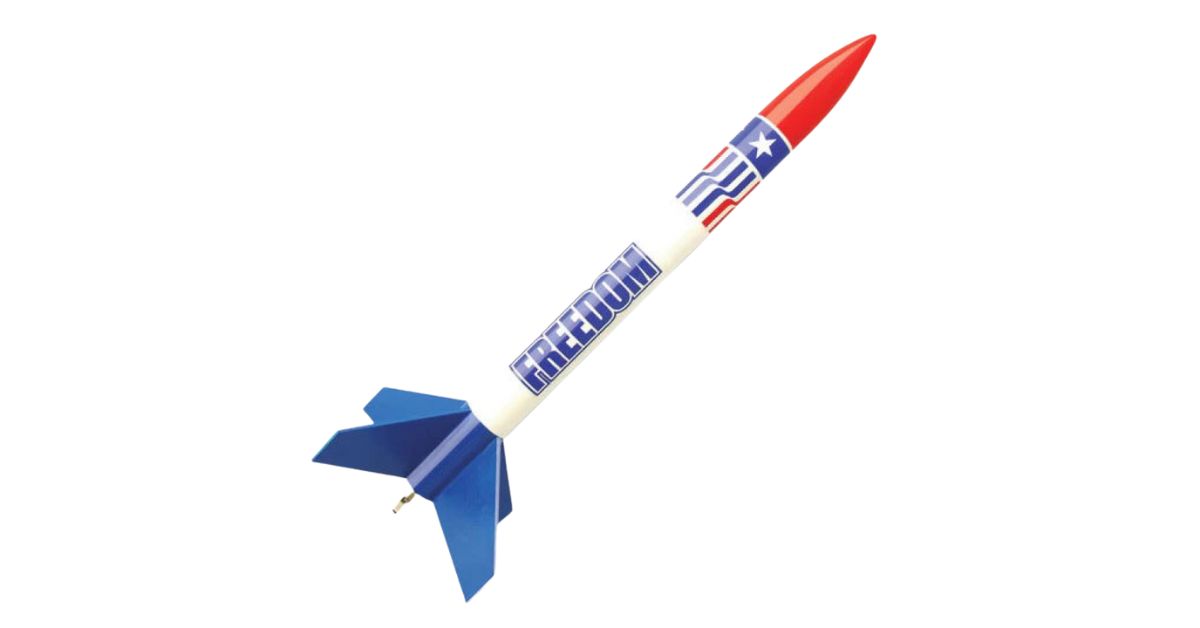
As model rocketry continues to evolve alongside advancements in aerospace technology, we still see more people becoming fans of the hobby, both in school and on their own. Manufacturers respond with updated designs that reflect modern launch vehicles and engineering trends.
Even with the changes and new additions to model rocketry, its core appeal remains the same. Builders design, assemble, launch, and recover a flying machine they created with their own hands. That experience builds technical knowledge and lasting enthusiasm for science. The history and evolution of model rocketry demonstrate how a small-scale hobby can shape big futures in aerospace and engineering.
At AC Supply, we have the perfect model rocket kits for students of all ages and skill levels. Whether you’re a teacher looking to engage your students or a parent looking for a fun experiment with your family, we have everything you need.
Our quality kits and reliable engines create an environment where curiosity thrives. With the right resources and guidance, young engineers can take their first step into aerospace exploration. Browse AC Supply’s catalog to find the best rocket kit and supplies to bring this powerful educational experience to your program today.