

Setting up a classroom STEM center will turn your learning environment into an interactive hub where students explore science, technology, engineering, and mathematics through hands-on discovery and experimentation. You create opportunities for collaborative problem-solving while fostering critical thinking skills that extend far beyond the classroom walls.
With a well-designed STEM center, you can encourage students to question, experiment, and innovate. With this guide, you’ll learn exactly what to include in a classroom STEM center to help your students develop confidence as they tackle challenges, develop confidence, and learn from their mistakes.
Essential Tools and Equipment
Your STEM center requires basic tools that students can safely and independently use.
- Measuring tools: Rulers, measuring tapes, and digital scales will help students make precise calculations and collect accurate data.
- Observation tools: Magnifying glasses and basic microscopes help students examine objects closely and make detailed observations.
- Safety equipment: Safety goggles, gloves, and aprons all teach responsible lab practices and ensure student safety during experiments and construction activities.
- First aid kit: Keep a first aid kit nearby and establish clear safety protocols for tool usage.
Model Kits and Construction Materials
Model kits serve as excellent foundation components for your STEM center activities while providing some hands-on fun for everyone involved.
Bridge Building Kits
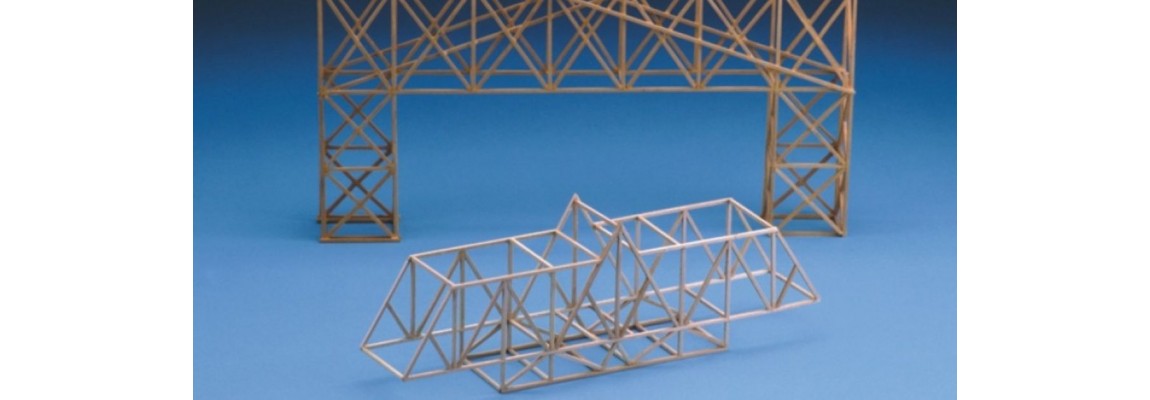
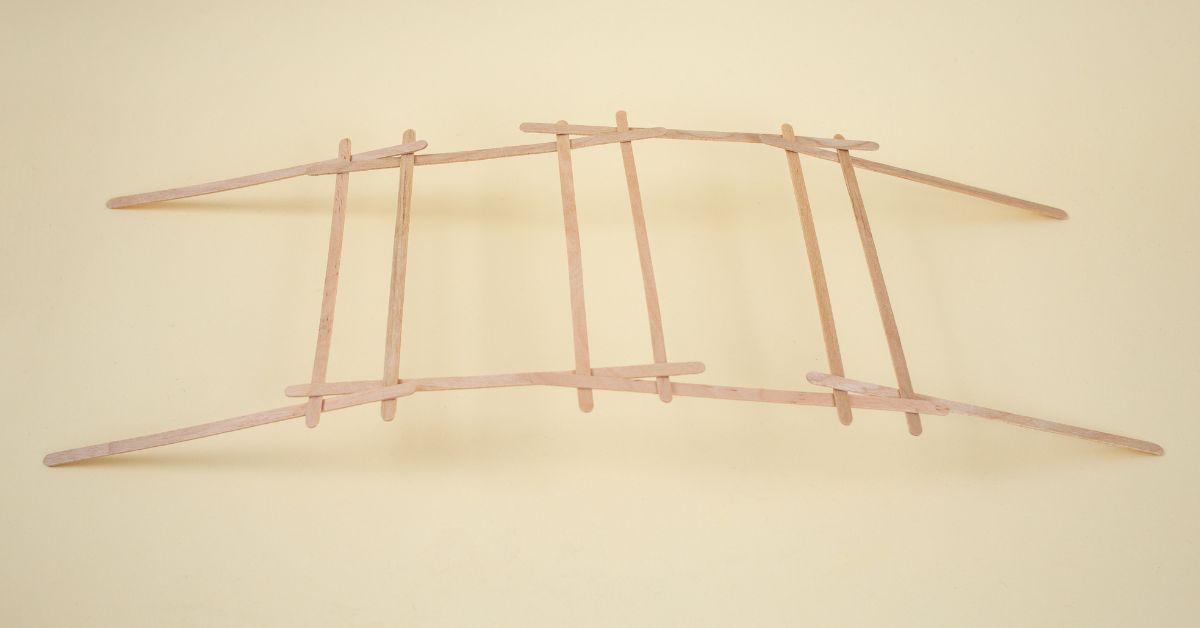
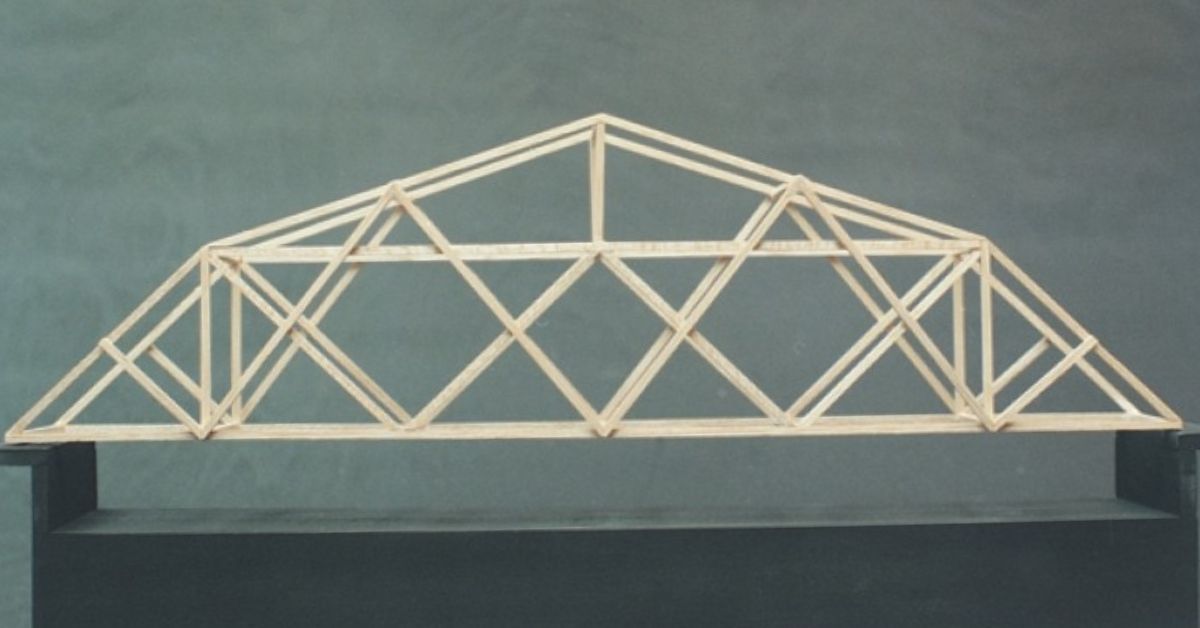
These kits offer students opportunities to explore engineering principles, structural design, and physics concepts through hands-on construction. Students will learn about load distribution, tension, compression, and material properties as they design and test different structures.
Midwest Model Supply’s balsa wood bridge building kits include clear instructions and glue with each kit, providing your students with everything they need to construct and explore engineering concepts successfully.
Robot Building Kits
Robotic kits are a must to introduce programming concepts and mechanical engineering principles. Your students will develop logical thinking skills while learning basic coding concepts, as they assemble robots, program movements, and troubleshoot technical problems.
Circuit Building Kits
Students can create simple circuits, explore electrical conductivity, and design projects that combine lights, sounds, and movements with these kits. They provide valuable foundational knowledge for more advanced electronics projects.
Scientific Instruments and Measurement Tools
Equip your center with age-appropriate scientific instruments that enable accurate data collection and analysis.
- Digital thermometers: Help students monitor temperature changes during experiments.
- pH strips and testing kits: Allow exploration of chemical properties in safe, controlled ways.
- Stopwatches: Useful for timing experiments and measuring reaction rates, teaching students to collect precise data.
- Simple balance scales: Enable mass measurements for hands-on investigations.
- Graduated cylinders: Provide accurate volume measurements for experiments.
- Calculators and graphing materials: Support data analysis, pattern identification, and mathematical thinking, reinforcing the connection between data collection and scientific conclusions.
Technology Integration Components
Modern STEM centers benefit from the integration of technology that enhances traditional hands-on learning.
Tablets or Computers
These devices allow students to create digital models before building physical prototypes when loaded with design software. Also, CAD programs help students visualize three-dimensional structures and test designs virtually.
Digital Cameras
Cameras are essential for documenting experiments and recording observations. Plus, students can create visual learning portfolios and share discoveries with classmates. Time-lapse photography can capture slow processes, such as plant growth or chemical reactions.
Sensors
Include sensors that connect to devices for real-time data collection. Temperature sensors, light sensors, and motion detectors help students gather precise measurements and analyze environmental factors affecting their experiments.
Art and Design Materials
STEM education benefits from creative components that encourage innovative thinking and aesthetic design considerations.
Drawing Materials
Provide colored pencils, markers, and design paper for sketching ideas and planning projects. These materials help students visualize concepts before building and communicating ideas through technical drawings.
Crafting Materials
Add cardboard, foam boards, and adhesives for prototype construction. Students can create models quickly and inexpensively, testing multiple design iterations before committing to final projects. While managing material costs, you can still encourage experimentation.
3D Printing Filaments
If your school has access to 3D printers, include 3D printing filaments so students can design objects digitally and watch their creations come to life in physical form. This technology bridges digital design with physical manufacturing, demonstrating modern production methods to students.
Reference Materials and Documentation
Stock your center with relevant reference books, field guides, and technical manuals that students can consult independently.
Books and Guides
Include age-appropriate engineering books, physics reference guides, and mathematics handbooks. Students will develop research skills while accessing accurate information.
Writing Materials
Provide laboratory notebooks or journals so students can record observations, sketch designs, and document experiment results. These writing materials can teach students the importance of scientific documentation practices and help them create portfolios of their learning and progress.
Instructions
Add laminated instruction cards for common procedures, safety protocols, and troubleshooting guides. Students can access information quickly and work more independently, reducing interruptions and maintaining focus on learning objectives.
Storage and Organization Systems
An efficient organization makes your STEM center more functional and appealing to students.
Storage Containers
Use clear storage containers so that students can easily identify the contents and locate the needed materials. Make sure to label containers with both words and pictures to support all reading levels.
Designate Activity Areas
Establish a building zone with construction materials, a testing area with measurement tools, and a documentation station with recording materials. This approach encourages students to understand expectations and maintain organized workspaces.
Pegboards or Wall Organizers
These work great for frequently used tools since students can view available options immediately and return items to designated locations. You maintain inventory control while teaching responsibility and organization skills.
Ready To Transform Your Classroom?
Creating an effective STEM center requires thoughtful planning and gradual implementation. Now that you know what to include in a classroom STEM center, start with basic materials and expand your collection based on student interests and curriculum needs. Soon enough, you’ll have a learning environment that grows with your students and adapts to new educational opportunities.
Remember, the most important component of any STEM center is your enthusiasm for discovery and learning. You’re responsible for guiding your students through challenges, celebrating their innovations, and helping them connect classroom learning to real-world applications.
Are you looking to create the ultimate STEM center for your classroom? Visit AC Supply today! With a wide selection of model kits and resources, you’ll find everything you need to inspire your students and bring hands-on learning to life. AC Supply can help you build the perfect space for exploration and innovation, whether you’re just starting or expanding your current setup. Your dream STEM center is just a click away!